
Unusual Fruit Tree
The Jabuticaba is a fruit-bearing tree native to Argentina, Brazil and Paraguay. The fruit is purplish black, with a white pulp; it can be eaten raw or be used to make jellies and drinks (plain juice or wine).

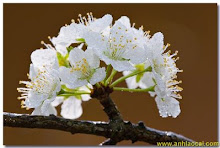
The fruit tree (named jabuticabeira in Portuguese) has salmon-colored leaves when they are young, turning green posteriorly. It is a very slow growing tree which prefers moist, lightly acidic soils for best growth. It is widely adaptable, however, and grows satisfactorily even on alkaline beach-sand type soils, so long as they are tended and irrigated. Its flowers are white and grow directly from its trunk in a cauliflorous habit. Naturally the tree may flower and fruit only once or twice a year, but when continuously irrigated it flowers frequently, and fresh fruit can be available year round in tropical regions.


The jabuticaba is a small tree native to Minas Gerais in southeastern Brazil grown for the purple, grape-like fruits it produces. Traditionally, an astringent decoction of the sun-dried skins has been used as a treatment for hemoptysis, asthma, diarrhea, and gargled for chronic inflammation of the tonsils. The fruit is 3-4 cm in diameter with one to four large seeds, borne directly on the main trunks and branches of the plant, lending a distinctive appearance to the fruiting tree. It has a thick, purple, astringent skin that covers a sweet, white, or rosy pink gelatinous flesh. Common in Brazilian markets, jaboticabas are largely eaten fresh; their popularity has been likened to that of grapes in the US. Fresh fruit may begin to ferment 3 to 4 days after harvest, so they are often used to make jams, tarts, strong wines, and liqueurs.


The name is derived from the Tupi word Jabuti (tortoise) + Caba (place), meaning the place where you find tortoises.


 Posted by Admin
on 8:14 AM.
Filed under
Fruit,
green garden,
tree,
Unusual,
Unusual Fruit Tree
.
You can follow any responses to this entry through the RSS 2.0
Posted by Admin
on 8:14 AM.
Filed under
Fruit,
green garden,
tree,
Unusual,
Unusual Fruit Tree
.
You can follow any responses to this entry through the RSS 2.0
